The Role of Dynamic Balancing in Enhancing Reliability of Compressors and Turbines
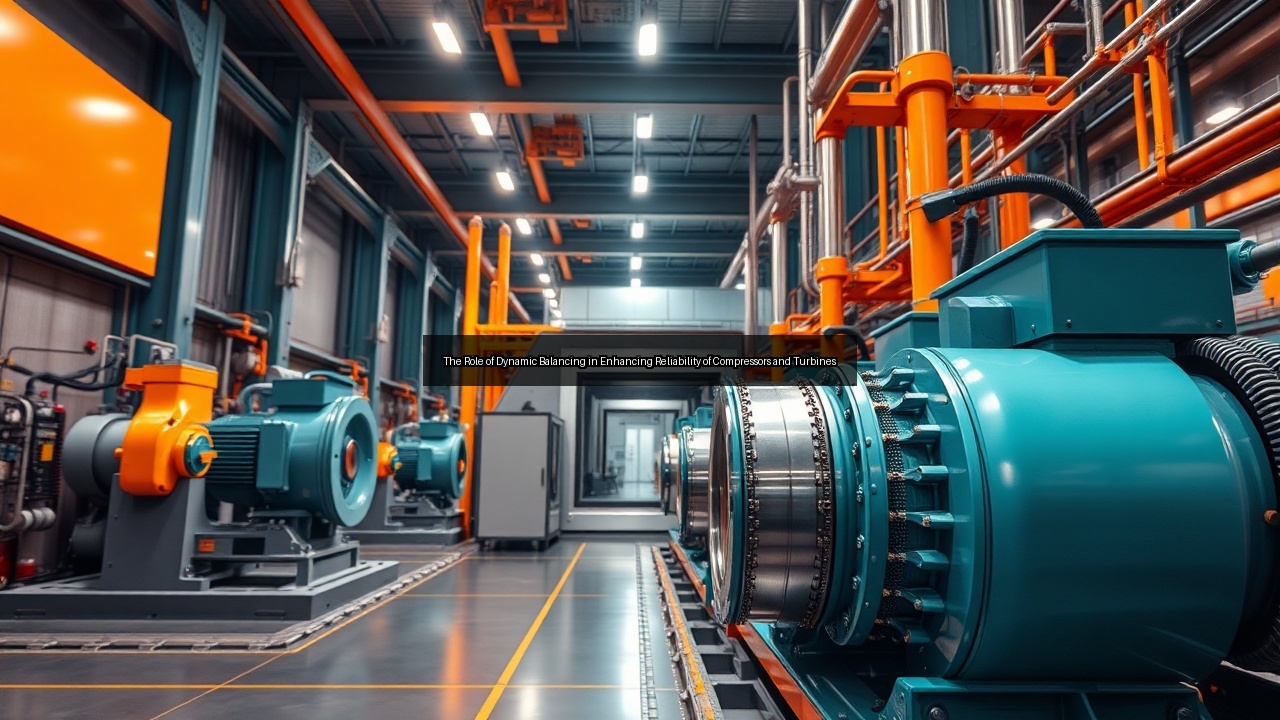
Understanding Dynamic Balancing and Its Importance
Definition of Dynamic Balancing
Dynamic balancing corrects uneven weight distribution in rotating components so they spin without generating destructive vibration. Engineers measure centrifugal forces at multiple planes and add or remove material until the rotor achieves equilibrium. This process accounts for both static and couple unbalance that single-plane methods miss. Rotors in high-speed equipment experience amplification of small mass discrepancies that lead to bearing wear and structural fatigue. Proper dynamic balancing reduces these forces to acceptable ISO limits and extends service life. The technique applies to rigid and flexible rotors alike, using specialized instrumentation to detect phase and amplitude of vibration. Without it, compressors and turbines suffer accelerated degradation from constant motion imbalance.
At its core, dynamic balancing addresses the physics of rotating bodies where centrifugal force equals mass times radius times angular velocity squared. Even minute deviations of a few grams at the periphery can generate forces exceeding several kilonewtons at operating speeds above 3,000 rpm. Standards such as ISO 1940-1 define acceptable residual unbalance grades, typically G2.5 or better for high-speed turbomachinery. Engineers distinguish between static unbalance, which produces a single heavy spot, and dynamic or couple unbalance, which creates opposing moments along the rotor axis. Correction therefore requires simultaneous measurement in two or more planes. Modern vector calculations using influence coefficients allow precise placement of trial and correction masses, ensuring that residual vibration falls within tolerance bands that prevent resonance amplification.
Applications in Compressors and Turbines
Compressors and gas turbines rely on dynamic balancing service to maintain smooth operation under extreme loads. Plant operators apply the procedure to impellers, shafts, and gear assemblies in centrifugal compressors handling gas or liquid flows. In gas turbine engines, balanced rotors prevent resonance that could damage blades or casings. Electric motor balancers and motor balancing services often integrate with these applications when drive motors power pumps or compressors. Field crews use portable balancing machines on-site at plants to correct issues without full disassembly. The same principles serve electric motor balancing services for auxiliary equipment, ensuring overall system reliability across industrial sites.
Beyond core turbomachinery, dynamic balancing supports steam turbines in power generation, axial compressors in petrochemical cracking units, and integrally geared compressors in air separation plants. In each case, rotors may weigh from a few kilograms to over 50 tons, requiring machines capable of speeds up to 10,000 rpm during testing. Offshore platforms frequently employ in-situ balancing of gas export compressors to avoid costly shutdowns, while combined-cycle plants balance steam turbine rotors after major overhauls to restore original design clearances.
Impact on Machine Performance
Balanced machines deliver higher efficiency and lower maintenance costs. Reduced vibration protects bearings, seals, and couplings while allowing tighter operating tolerances. Compressors maintain steady pressure output, and turbines sustain rated power without derating from imbalance-related trips. Plants report fewer unplanned outages after implementing routine dynamic balancing service. Performance gains appear quickly in metrics such as reduced oil contamination from leaking seals and lower energy consumption. Over time, consistent balancing improves overall equipment effectiveness and supports predictive strategies that keep production schedules intact.
Quantitative studies show that reducing vibration velocity from 10 mm/s to below 2.8 mm/s can extend bearing life by a factor of three to five. Energy savings of 1–3 percent are common because unbalanced rotors increase frictional losses and require higher drive torque. In addition, balanced equipment exhibits lower acoustic emissions, improving workplace safety and regulatory compliance in noise-sensitive installations.
The Process of Dynamic Balancing in Engineering
Steps Involved in Dynamic Balancing
Engineers begin with an initial vibration survey to identify dominant frequencies and phase angles. They mount the rotor in a balancing machine or on its own bearings for in-situ correction. Trial weights help calculate the exact correction mass and angular position required. After material removal or addition, technicians verify results through a final run-up test. Multiple planes receive attention when rotors exceed certain length-to-diameter ratios. Documentation captures before-and-after readings for quality records. This systematic approach ensures repeatable outcomes across compressors, turbines, and pumps.
The mathematical foundation relies on the influence coefficient method, where a trial weight produces measurable changes in amplitude and phase that are used to solve for the required correction vector. For flexible rotors operating near critical speeds, engineers may perform multi-speed balancing or modal balancing to address several bending modes simultaneously. Post-correction verification includes coast-down recordings to confirm that no new resonances have been introduced.
Role of Balancing Machines
Balancing machines provide controlled environments for precision correction. Horizontal and vertical models accommodate different rotor weights and speeds. Modern units integrate sensors that capture real-time data on displacement, velocity, and acceleration. Software calculates correction vectors automatically, reducing human error. Facilities offering dynamic balancing service maintain calibrated machines traceable to national standards. These machines handle rotors from small pump impellers to large gas turbine disks, supporting both production and repair workflows in engineering shops.
Hard-bearing machines measure force directly through stiff supports, suiting high-mass rotors, while soft-bearing designs allow greater displacement for sensitive low-mass components. Both types now feature automatic indexing and laser-guided drilling stations that remove exact material volumes without manual calculation.
Instrumentation for Precision Balancing
Instrumentation includes accelerometers, laser tachometers, and phase reference sensors. Amplification circuits boost weak signals for accurate analysis. Operators cross-check readings with portable analyzers during field work. Calibration of all devices occurs at regular intervals to maintain measurement integrity. Data logging allows comparison across balancing sessions, revealing trends in rotor behavior. Combined with proper setup, these tools deliver corrections that meet stringent tolerances demanded by high-speed compressors and turbines.
Advanced systems employ FFT spectrum analysis to separate imbalance from other vibration sources such as misalignment or looseness. Wireless telemetry transmits data from high-speed rotors without slip rings, and integrated reporting software generates ISO-compliant certificates automatically.
Dynamic Balancing Services: Ensuring Reliability and Sustainability
Overview of Dynamic Balancing Services
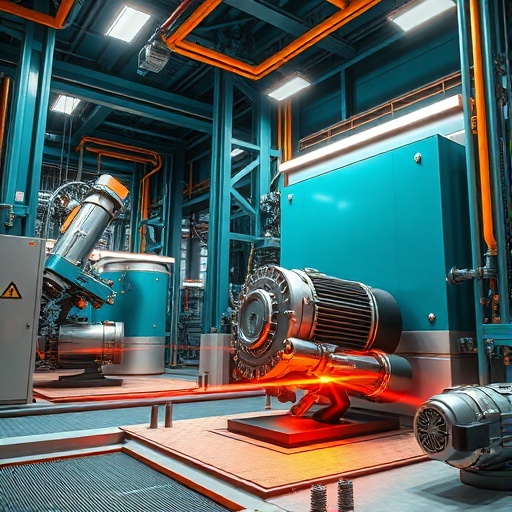
Dynamic balancing service providers deliver on-site and shop-based corrections for industrial rotors. Teams arrive with portable equipment to balance compressors, turbines, and pumps without extended downtime. Services cover initial installation, post-repair verification, and scheduled maintenance intervals. Clients receive detailed reports that include vibration spectra and correction details. Many plants integrate these services into broader reliability programs that also address gear alignment and oil analysis. The result is sustained uptime and reduced lifecycle costs across rotating assets.
ISO 9001 Certification in Balancing Services
ISO 9001 certification demonstrates that a dynamic balancing service follows documented processes and continuous improvement practices. Providers undergo regular audits that examine equipment calibration, technician training, and record-keeping. Customers gain confidence that corrections meet repeatable quality standards. Certification also supports compliance requirements in regulated industries such as power generation and oil processing. Plants often request ISO 9001 evidence during vendor qualification to ensure consistent service delivery.
Case Studies: Successful Implementations
One petrochemical plant reduced compressor trips by 70 percent after contracting dynamic balancing service for its gas turbine train. Technicians corrected unbalance in the rotor assembly using laser-guided measurements and verified results through condition monitoring sensors. Another facility applied the service to a critical pump and eliminated chronic bearing failures previously attributed to corrosion and wear. Both cases illustrate how targeted balancing restores reliability and supports sustainability goals by lowering spare-part consumption and energy waste.
A third example from a combined-cycle power station showed that balancing a 40-ton steam turbine rotor reduced vibration from 7.2 mm/s to 1.1 mm/s, avoiding a forced outage that would have cost approximately $1.2 million in lost generation.
Condition Monitoring and Dynamic Balancing
Utilizing Sensors for Real-Time Monitoring
Sensors mounted on bearing housings stream vibration and temperature data to centralized systems. Continuous monitoring detects developing imbalance before it reaches alarm thresholds. Integration with dynamic balancing service allows operators to schedule corrections during planned outages rather than reacting to failures. Wireless sensors simplify installation on compressors and turbines located in hazardous areas. Data historians store trends that correlate operating hours with vibration growth, guiding maintenance decisions.
Techniques: Infrared Thermography and Ultrasonic Testing
Infrared thermography reveals hot spots caused by friction from misalignment or imbalance. Ultrasonic testing identifies subsurface cracks in rotors that vibration alone might miss. Technicians combine these methods with dynamic balancing service to address root causes rather than symptoms. Plants use the combined data during annual inspections to prioritize equipment for balancing or repair. The approach strengthens overall condition monitoring programs and extends intervals between major overhauls.
Data Analysis for Predictive Maintenance
Analysts apply statistical tools and machine-learning models to vibration spectra collected from sensors. Patterns indicate when rotors require dynamic balancing service before performance degrades. Predictive alerts integrate with work-order systems so planners allocate resources efficiently. This data-driven strategy reduces emergency repairs and supports sustainability targets by optimizing machine runtime and minimizing waste. Regular calibration of analysis software ensures accurate recommendations across the plant fleet.
Challenges and Future Trends in Dynamic Balancing
Addressing Corrosion and Wear in Rotors
Corrosion and abrasive wear alter rotor mass distribution over time, reintroducing imbalance. Engineers inspect rotors during outages using ultrasonic and visual methods to quantify material loss. Dynamic balancing service then restores equilibrium while accounting for remaining wall thickness. Protective coatings and upgraded materials slow degradation in gas compressors and turbines exposed to aggressive process fluids. Proactive monitoring combined with periodic balancing keeps these effects within acceptable limits.
Innovations in Balancing Solutions
New balancing machines incorporate laser measurement and automated weight placement for faster corrections. Portable systems now connect directly to plant networks for instant reporting. Electric motor balancing services benefit from these advances when integrated with compressor drives. Research continues on active balancing devices that adjust mass in real time during operation. Such innovations promise further gains in reliability for critical rotating equipment.
The Role of Sustainability in Dynamic Balancing Services
Sustainability initiatives encourage dynamic balancing service providers to minimize waste during correction processes. Precise material removal reduces scrap, and reusable balance weights lower consumable demand. Plants achieve lower carbon footprints through improved machine efficiency and fewer replacement parts. Certification under ISO 9001 reinforces these practices by requiring environmental considerations in service procedures. The combined focus on reliability and sustainability positions dynamic balancing as a core element of modern industrial engineering strategies.
See Also
- Unlocking Efficiency with Dynamic Balancing Services for Industrial Machines
- Exploring the Impact of Ultrasonic Inspection in Dynamic Balancing Processes
- Dynamic Balancing and Condition Monitoring for Optimal Plant Performance
- How Dynamic Balancing Solutions Drive Sustainability in Modern Manufacturing