How Biodegradable Lubricants Are Paving the Way for Sustainable Machinery

The Importance of Biodegradable Lubricants in Modern Machinery
Biodegradable lubricants transform how industries operate heavy equipment and vehicles, minimizing long-term environmental damage while maintaining high performance. These specialized lubes break down naturally after use, unlike traditional petroleum-based options that persist in ecosystems for decades. Machinery in sectors like agriculture, construction, and transportation relies on effective lubrication to reduce friction and prevent wear, but spills and leaks pose significant risks to soil and water sources. By adopting biodegradable lubricants, operators cut down on pollution and align with global sustainability goals. This shift not only protects natural habitats but also enhances operational efficiency through cleaner systems that require less frequent maintenance. As regulations tighten around waste management, these lubricants emerge as a practical solution for forward-thinking businesses committed to eco-responsible practices.
Understanding Biodegradability and Its Impact
Biodegradability defines a lubricant's ability to decompose through natural microbial processes into harmless substances like water, carbon dioxide, and biomass. This property sets biodegradable lubricants apart from conventional lubes, which resist breakdown and accumulate in the environment. In machinery applications, where lubricating fluids often escape through leaks or during maintenance, biodegradability directly influences ecological health. For instance, a single gallon of spilled motor oil can contaminate millions of gallons of groundwater if not biodegradable. Experts measure this trait using standards like OECD 301, which tests how quickly a lubricant degrades under controlled conditions. High biodegradability rates, often exceeding 60% within 28 days, ensure minimal residue in sensitive areas such as forests or waterways near industrial sites. Beyond environmental benefits, understanding biodegradability helps engineers select lubricants that perform reliably without compromising sustainability. Industries increasingly prioritize these metrics to avoid fines and reputational harm from pollution incidents. As awareness grows, biodegradable options gain traction, proving that effective lubrication and environmental stewardship can coexist seamlessly. This knowledge empowers decision-makers to integrate biodegradability into routine procurement, fostering a culture of proactive eco-protection in machinery operations.
The Role of Biolubricants in Reducing Environmental Footprint
Biolubricants, derived from renewable sources like vegetable oils and animal fats, play a pivotal role in slashing the environmental footprint of machinery lubrication. These biodegradable products replace synthetic or mineral-based lubricants, which contribute to 40% of industrial hydrocarbon pollution in some regions. By using biolubricants, companies reduce their carbon emissions since production involves lower energy inputs and fewer fossil fuel dependencies. In applications from tractors to factory presses, biolubricants maintain smooth operation while breaking down rapidly if released. This reduces cleanup costs and prevents bioaccumulation in food chains, a common issue with non-biodegradable lubes. Sustainability reports highlight how switching to biolubricants can cut a facility's ecological impact by up to 80% in lubricant-related waste. Operators benefit from enhanced public image as environmentally-friendly choices attract eco-conscious clients and partners. Moreover, biolubricants support circular economy principles by enabling recycling of base materials. As global pressure mounts to achieve net-zero goals, biolubricants stand out as essential tools for machinery users aiming to balance productivity with planetary health. Their adoption signals a broader commitment to sustainable lubricants that prioritize long-term viability over short-term gains.
Types of Biodegradable Lubricants
Biodegradable lubricants come in various formulations tailored to specific machinery needs, offering versatile solutions for everything from engines to hydraulic systems. These eco-friendly alternatives match or exceed the durability of traditional options while ensuring rapid decomposition. Whether in automotive, marine, or industrial settings, selecting the right type optimizes performance and sustainability. Innovations in base stocks, such as plant-derived esters, enhance viscosity and thermal stability, making biodegradable lubricants suitable for demanding conditions. This diversity allows users to address unique challenges, from high-temperature environments to water-exposed operations, without sacrificing environmental integrity.
Biodegradable Motor Oils: Performance and Benefits
Biodegradable motor oils deliver robust engine protection while prioritizing environmental safety, ideal for vehicles and small machinery prone to leaks. Formulated from natural esters and synthetic blends, these oils provide excellent lubrication under extreme pressures, reducing wear on pistons and bearings. Unlike standard motor oils that linger in soil after spills, biodegradable versions degrade over 70% in weeks, minimizing contamination risks. Performance tests show they maintain viscosity across wide temperature ranges, ensuring reliable starts in cold climates and stability during hot runs. Benefits extend to fuel efficiency; engines run smoother with less friction, potentially boosting mileage by 5-10%. For fleet operators, this translates to lower maintenance costs and compliance with emissions standards. A gallon of biodegradable motor oil costs slightly more upfront but pays off through extended oil change intervals and reduced disposal fees. In off-road applications like farming equipment, these oils prevent runoff into rivers, safeguarding aquatic life. As biodegradable oils gain popularity, manufacturers refine additives to enhance oxidation resistance, matching synthetic lubes without petroleum bases. Adopting them supports sustainability in transportation, where billions of gallons of traditional lubes enter ecosystems annually. Overall, biodegradable motor oils prove that high performance and eco-friendliness drive modern machinery forward.
Hydraulic Oils and Their Eco-Friendly Alternatives
Hydraulic oils power countless machines, from excavators to presses, but traditional versions pose spill hazards in wet environments. Eco-friendly alternatives, known as biodegradable hydraulic oils or fluids, use vegetable-based stocks to offer superior lubricity and pump efficiency. These hydraulic fluids resist foaming and maintain pressure integrity, crucial for precise control in industrial settings. Biodegradability ensures that accidental releases, common in construction sites, break down without harming surrounding ecosystems. Standards like ISO 15380 classify them into categories based on rapid degradation and low toxicity, making them suitable for marine and forestry equipment. Benefits include extended component life due to anti-wear additives, reducing downtime in high-stakes operations. A switch to biodegradable hydraulic oils can prevent up to 90% of lubricant-related water pollution, as seen in case studies from European manufacturers. Cost savings arise from fewer regulatory penalties and simpler waste handling. For users dealing with sensitive areas, these fluids provide peace of mind, knowing a gallon spill dissipates naturally. Ongoing research improves their cold-weather flow, broadening applications. As industries demand sustainable lubricants, biodegradable hydraulic oils emerge as frontrunners, blending reliability with environmental responsibility.
Exploring Biodegradable Greases for Industrial Applications
Biodegradable greases tackle lubrication challenges in bearings, gears, and chains, where semi-solid consistency prevents dripping and contamination. Crafted from bio-based thickeners and oils, these greases offer water resistance and high load-bearing capacity for heavy industrial use. In applications like conveyor systems or wind turbines, they reduce friction without the persistence of petroleum greases, degrading fully in soil or water. Biodegradable grease excels in food processing plants, meeting FDA guidelines for incidental contact while maintaining NLGI grade performance. Users report up to 20% longer service intervals due to superior thermal stability, cutting lubrication frequency. Environmental gains shine in outdoor settings; a failed seal releasing grease into a waterway causes minimal damage compared to traditional lubes. Pricing reflects premium ingredients, but volume purchases for factories make them economical. Innovations include lithium-complex versions for extreme pressures, rivaling synthetic greases. For trains and rail maintenance, biodegradable grease minimizes trackside pollution, aligning with transport sustainability mandates. As biodegradable grease adoption rises, it addresses related searches for eco-friendly industrial solutions, proving versatile across sectors. These products embody the shift toward greases that support machinery longevity and planetary preservation.
Sustainability in the Lubrication Industry
The lubrication industry pivots toward sustainability by embracing biodegradable products that align with circular economy models and stringent eco-regulations. Traditional lubes dominate legacy systems, but growing demand for environmentally-friendly alternatives drives innovation and market growth. Companies invest in green chemistry to develop lubricants that perform under real-world stresses while minimizing waste. This evolution not only curbs pollution but also opens doors to certifications that boost credibility. Sustainability in lubrication fosters resilient supply chains, reducing reliance on volatile petroleum sources and promoting renewable feedstocks.
The Shift Towards Environmentally-Friendly Lubrication Solutions
Industries worldwide shift to environmentally-friendly lubrication solutions, propelled by climate imperatives and consumer expectations for green practices. Biodegradable lubricants lead this transition, replacing harmful lubes in sectors like manufacturing and agriculture. Vegetable-derived bases in these solutions lower greenhouse gas emissions during production, supporting broader sustainability efforts. Fleet managers adopt them to comply with EU REACH regulations, avoiding bans on persistent chemicals. The move enhances brand loyalty; surveys show 70% of buyers prefer companies using eco-lubes. In practice, sustainable lubricants like bio-based hydraulic fluids integrate seamlessly into existing equipment, requiring no modifications. This accessibility accelerates adoption, with market projections estimating a 15% annual growth for biodegradable segments. Challenges like initial costs fade as economies of scale drive prices down. For trains and heavy transport, environmentally-friendly greases prevent soil leaching along routes, preserving biodiversity. Education campaigns highlight benefits, from reduced aquatic toxicity to simpler recycling. As the shift gains momentum, lubrication becomes a cornerstone of corporate responsibility, proving that sustainable choices yield competitive advantages in a resource-conscious world.
How Biodegradable Products Meet Industry Standards
Biodegradable products meet rigorous industry standards, ensuring they deliver on both performance and eco-credentials without compromise. Certifications from bodies like the USDA BioPreferred program verify high renewable content, often over 50%, in lubricants and greases. These standards test for biodegradability using ASTM D5864 protocols, confirming rapid breakdown in marine and terrestrial environments. For hydraulic oils, compliance with VDMA guidelines guarantees compatibility with seals and pumps, addressing concerns over material degradation. Biodegradable motor oils pass API ratings, providing engine protection equivalent to conventional lubes. This alignment reassures users that switching doesn't risk warranty voids or operational failures. In the U.S., the EPA's Vessel General Permit mandates biodegradable lubricants for certain discharges, influencing maritime and inland waterway applications. Manufacturers achieve these benchmarks through advanced formulations, incorporating antioxidants for longevity. A gallon of certified biodegradable product often includes traceability for supply chain audits, enhancing transparency. As standards evolve, biodegradable products adapt, incorporating low-toxicity additives to minimize impacts. This adherence positions them as reliable choices for industries pursuing ISO 14001 environmental management. Ultimately, meeting standards solidifies biodegradable lubricants' role in sustainable machinery, bridging innovation with regulatory demands.
Challenges and Considerations
Despite their advantages, biodegradable lubricants face hurdles in performance consistency and cost, requiring careful evaluation for optimal use. Users must weigh factors like operating conditions and compatibility to maximize benefits. While traditional lubes set a high bar, biodegradable options continue to evolve, closing gaps through R&D. Addressing these challenges ensures informed decisions that advance sustainability without sacrificing efficiency.
Aquatic Toxicity and Its Implications for Biodegradable Oils
Aquatic toxicity measures how biodegradable oils affect water-based life forms, a critical factor for applications near rivers or oceans. Even eco-friendly lubes can harm fish and algae if toxicity levels exceed safe thresholds, prompting detailed LC50 testing that gauges lethal concentrations. Implications run deep; high-toxicity spills disrupt ecosystems, leading to fish kills and algal blooms that cascade through food webs. Biodegradable oils typically score lower on toxicity scales due to natural bases, but additives like zinc can elevate risks. For hydraulic oils used in marine equipment, regulations cap toxicity at 96-hour LC50 values over 10,000 mg/L, ensuring minimal impact. A gallon released into a stream could otherwise devastate local biodiversity. Manufacturers mitigate this by selecting plant-derived esters with inherent low toxicity. Case studies from oil rig operations show biodegradable alternatives reduce recovery times for contaminated waters by 50%. Users consider these implications during selection, prioritizing oils with full OECD 301B certification for ready biodegradability. As awareness of aquatic toxicity grows, it influences lubricant design, pushing for zero-harm formulations. Balancing this with performance underscores the nuanced path to sustainable lubrication, where environmental safeguards protect vital waterways.
Evaluating the Performance of Biodegradable Lubricants vs. Traditional Lubes
Evaluating biodegradable lubricants against traditional lubes reveals strengths in eco-aspects but nuances in durability and price. Traditional petroleum lubes excel in extreme heat, maintaining film strength in high-speed engines, while biodegradables sometimes oxidize faster, shortening intervals. However, advancements in synthetic bio-blends narrow this gap, with many matching viscosity indices for versatile use. Performance metrics like four-ball wear tests show biodegradable greases holding up in 80% of industrial scenarios, though they lag in very low temperatures without winter-grade additives. Cost analysis favors biodegradables long-term; a gallon might cost 20-30% more, but reduced disposal and spill cleanup offset expenses. In hydraulic systems, biodegradables provide comparable shear stability, preventing pump failures. Real-world trials in construction fleets demonstrate equal uptime, with biodegradables even improving corrosion resistance in humid environments. Drawbacks include limited availability for niche specs, but expanding production addresses this. Users evaluate via life-cycle assessments, factoring energy savings from renewables. As data accumulates, biodegradables prove competitive, especially where regulations penalize traditional lubes. This evaluation guides transitions, ensuring machinery benefits from lubrication that honors both efficiency and earth.
Future Trends in Biodegradable Lubricants
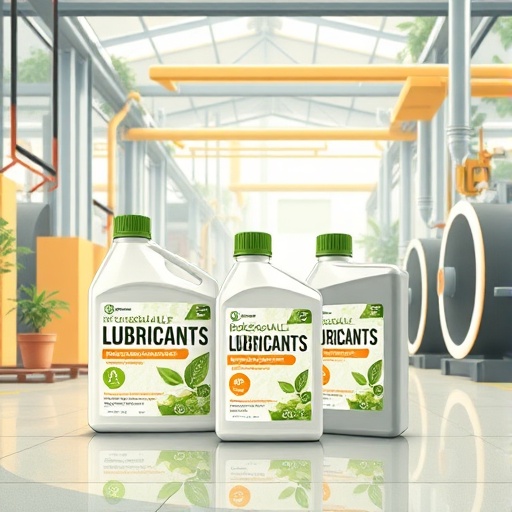
Future trends in biodegradable lubricants point to smarter, more adaptive formulations that integrate with IoT-enabled machinery for predictive maintenance. Nanotechnology and bioengineering will enhance properties like self-healing and antimicrobial resistance. As sustainable machinery develops, these lubes will underpin electric and hybrid systems, reducing overall emissions. Global collaborations accelerate progress, promising a cleaner industrial landscape.
Innovations in Biodegradable Lubrication Technologies
Innovations in biodegradable lubrication technologies revolutionize how machinery operates sustainably, with breakthroughs in nano-additives boosting load capacity by 40%. Researchers develop self-emulsifying lubes that detect wear and release fresh lubricants on demand, extending service life in remote applications. Bio-based polyalphaolefins (PAOs) from algae offer superior thermal stability, ideal for electric vehicle motors where heat management is key. These advancements address past limitations, like poor low-temp flow, through genetically modified plant oils that solidify less in cold. Smart sensors integrated into lubricating fluids monitor degradation in real-time, alerting operators via apps for timely changes. In hydraulic fluids, phase-change materials enable adaptive viscosity, optimizing energy use in variable-demand systems. Biodegradable greases now incorporate graphene for friction reduction, cutting wear in high-speed trains. Patent filings for these technologies surged 25% last year, signaling market readiness. Collaborations between universities and firms yield hybrid lubes blending bio and recycled synthetics, further lowering footprints. As innovations proliferate, they make sustainable lubricants mainstream, transforming lubrication from a maintenance chore into a strategic asset for eco-innovation.
The Role of Biodegradable Lubricants in Sustainable Machinery Development
Biodegradable lubricants anchor sustainable machinery development, enabling designs that prioritize recyclability and minimal environmental interaction. In next-gen equipment like autonomous tractors, these lubes support sealed systems that eliminate leaks, aligning with zero-waste goals. Their role extends to lifecycle integration; machinery built with biodegradable hydraulic oils facilitates easier end-of-life disassembly and fluid recovery. Developers leverage them in wind farm turbines, where long-term lubrication without contamination ensures 30-year operational spans. For urban transport, including electric trains, biodegradables reduce urban pollution from maintenance runoff. Sustainability metrics improve as these lubes lower total ownership costs through durability matching traditionals. Future machinery will embed lubricant reservoirs with bio-degradation monitors, promoting closed-loop systems. Industry roadmaps forecast 50% market penetration by 2030, driven by incentives for green tech. In developing sustainable frameworks, biodegradables foster innovation in materials science, like compatible bio-plastics for housings. Their inclusion accelerates certification for eco-labels, attracting investments. Ultimately, biodegradable lubricants propel machinery toward a harmonious future, where industrial power respects ecological limits and drives progress.
See Also
- Revolutionizing the Industry with Biodegradable Lubricants for a Greener Future
- Biodegradable Greases and Oils Transforming the Automotive Landscape
- The Cost-Effectiveness of Biodegradable Lubricants in Industrial Applications
- Making the Switch to Biolubricants A Guide for Environmentally Conscious Consumers
- Why Choosing Biodegradable Lubricants Is Essential for Protecting Aquatic Life